
Unit Trains

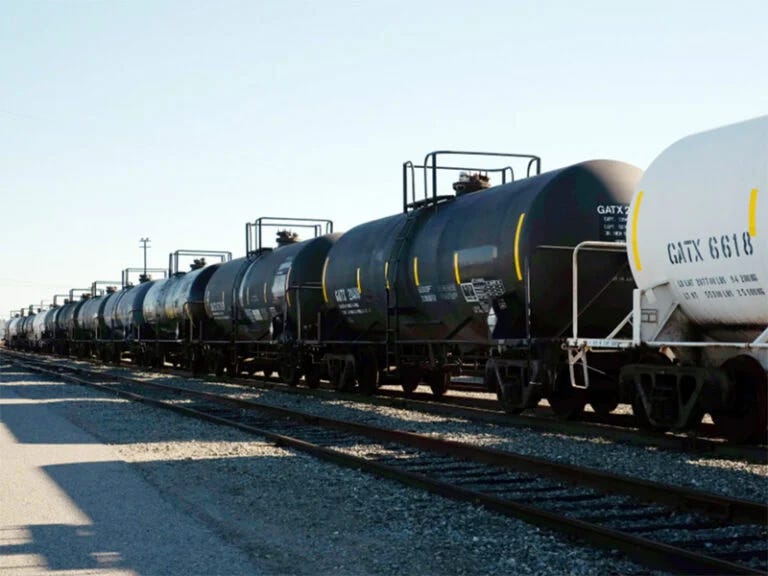
There is perhaps no one aspect more readily recognizable rolling on American rails than the unit train, itself taking a variety of forms and coming in varying lengths; unit trains transporting motor vehicles and trailers (or boxcars) loaded with auto parts, military armament, coal, coke, iron ore, rock ballast, grain, perishable and petroleum products, trash, potash and even passengers. And, then there’s the occasional train assembled entirely of locomotives.
So what is it about the unit (or bulk commodities) train concept that makes it really practical, popular even (dare I say)?
Unlike mixed-consist trains, unit trains neither need conventional yarding nor hump yarding, a yarding operation performed to help sort freight cars from which these can be assembled into entirely new trains. The unit train allows for the freight carried to travel in a consist that remains unchanged from origin to destination. As more and more unit trains are deployed delivering America’s rail freight (and to a certain extent, passengers too), the role of the freight yard in classifying freight traffic becomes less and less.
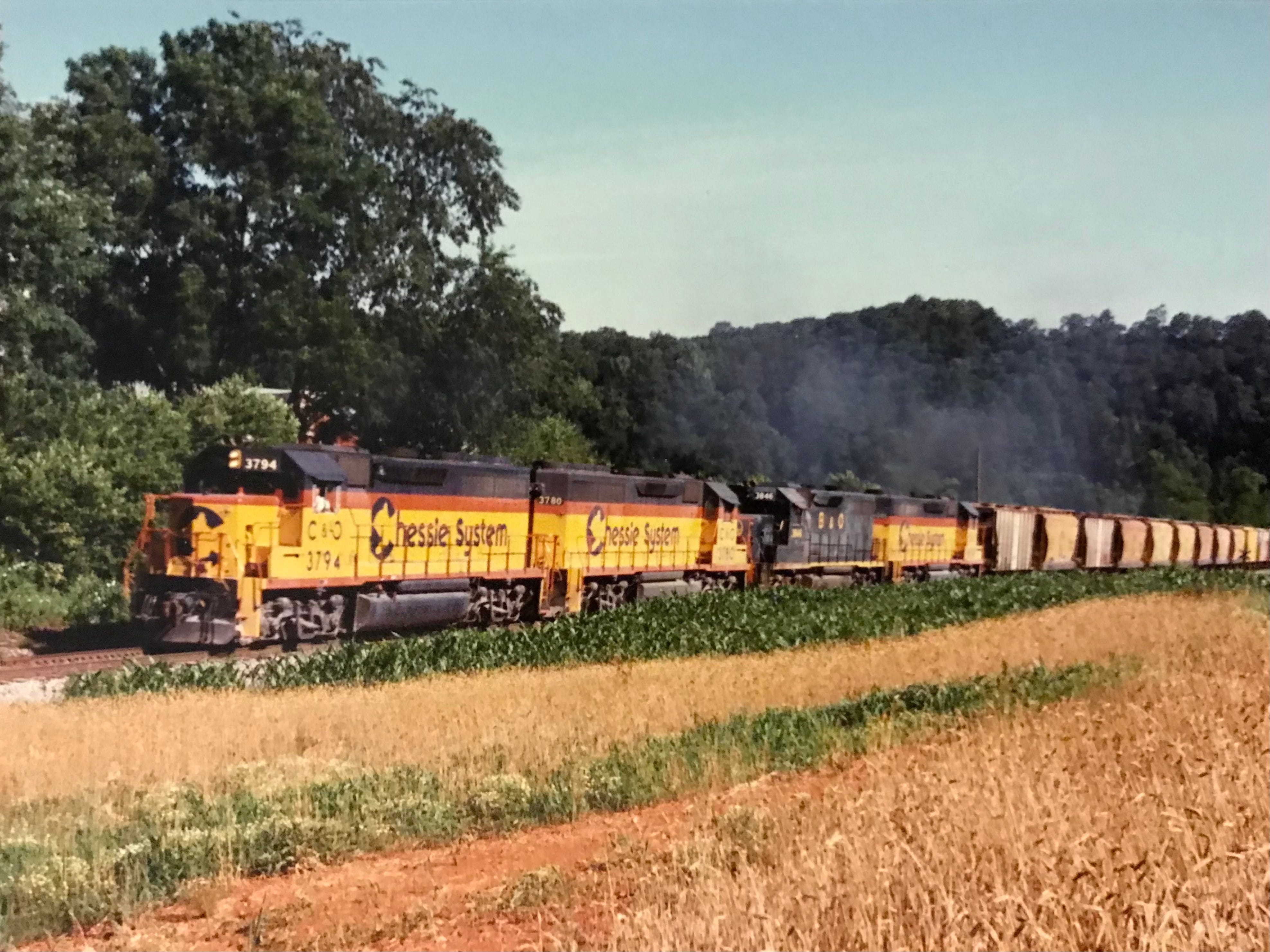
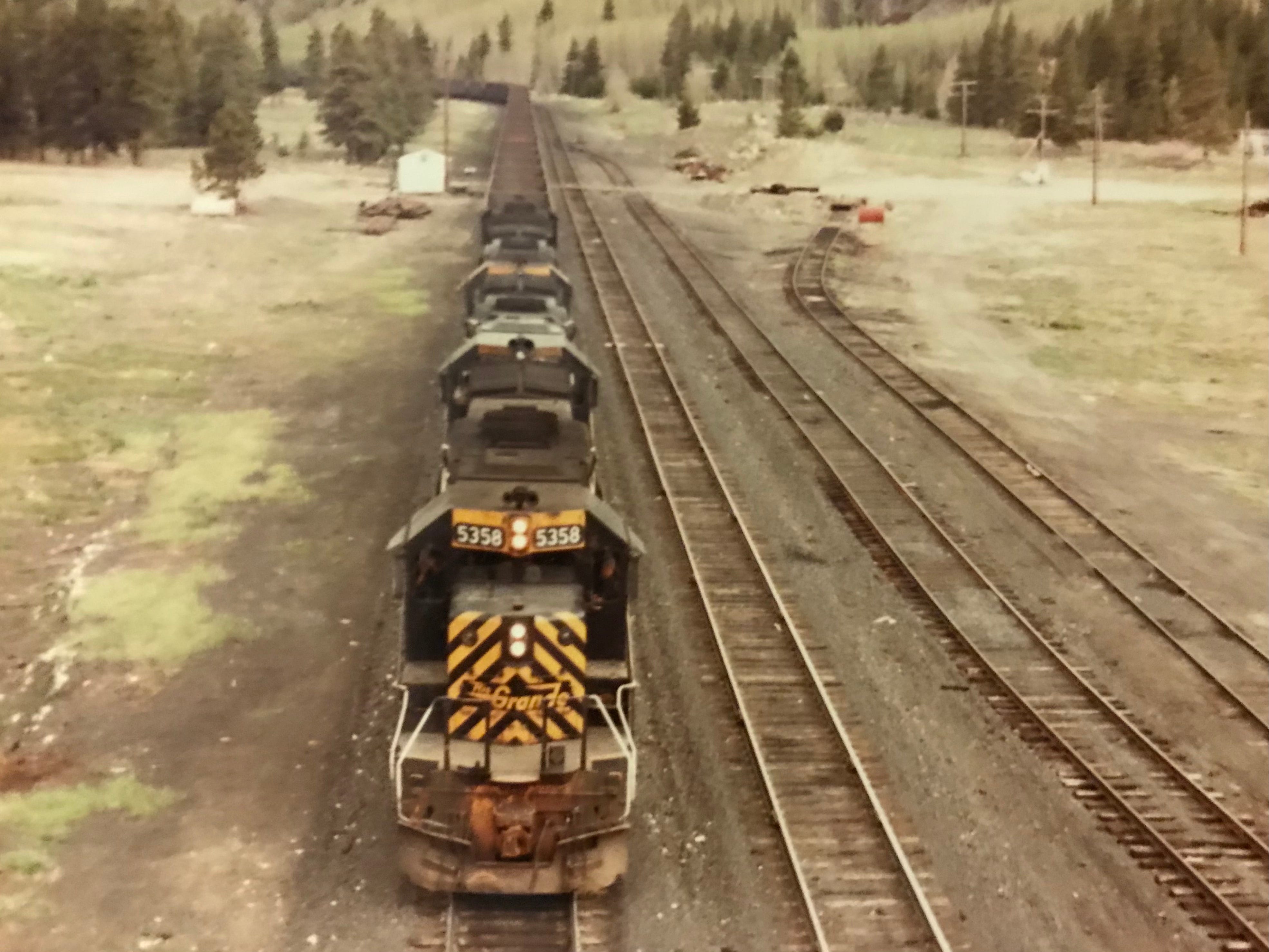
People who pay — or have paid — close attention to what’s happening on the U.S. railroad front generally and train traffic specifically are familiar with the various types of freight cars used to move cargo. Just to review, there are open-top hoppers for hauling everything from coal, coke and iron ore to saw dust and sugar beets, for example. Covered hoppers are used for transporting grain, cement and stone. There are depressed-well flatcars used for transporting containers or truck trailers, bulkhead and other types of flats for hauling logs and lumber. Auto racks are employed to move automobiles and light- and medium-duty trucks. And, there are tank cars that can contain virtually any kind of liquid imaginable.
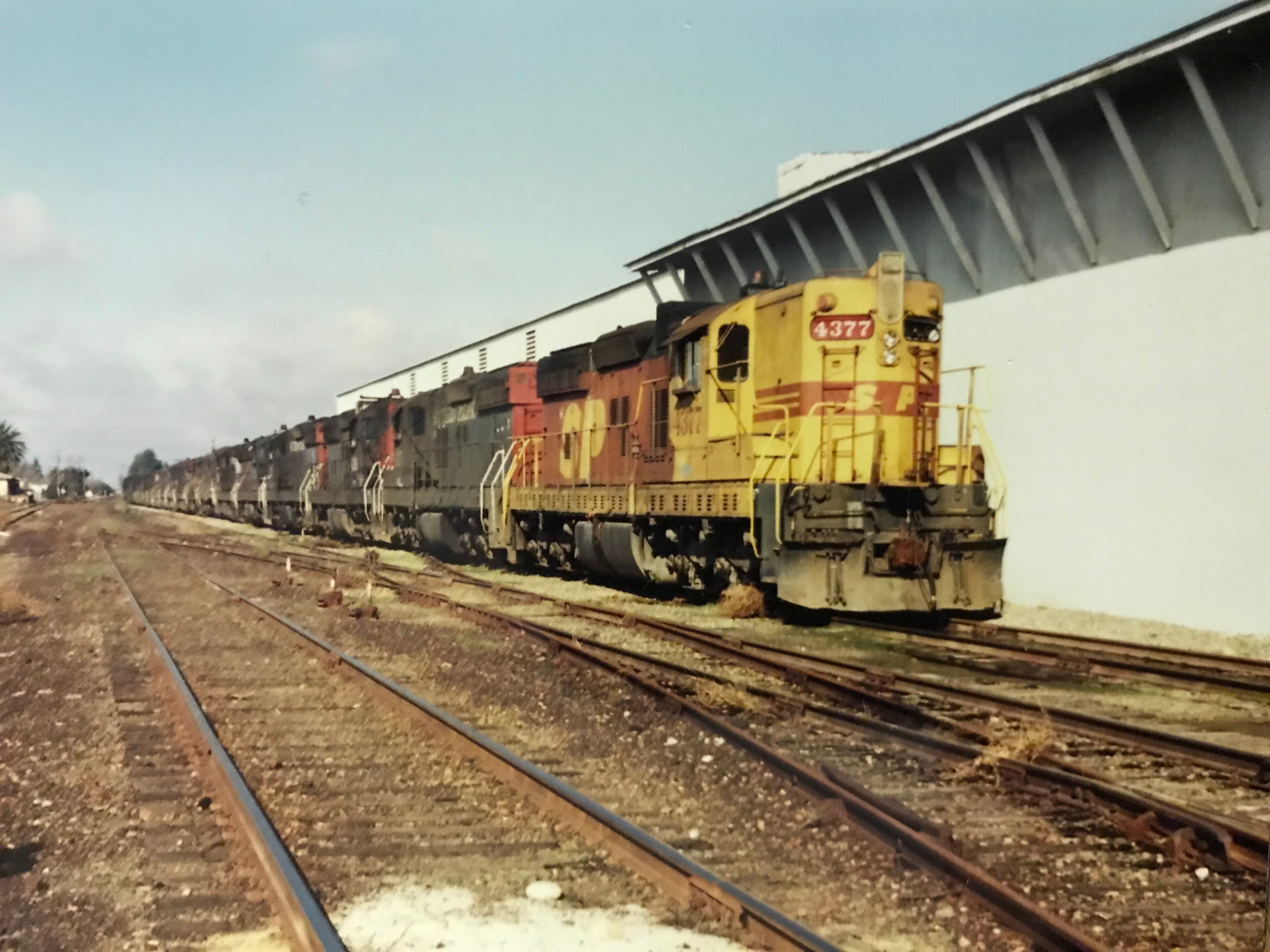
And, the freight cars assembled into unit trains make them ideal for being outfitted with what is known as electro-pneumatic train braking equipment. The advantage of this type of system is that it assures uniform braking throughout a train.
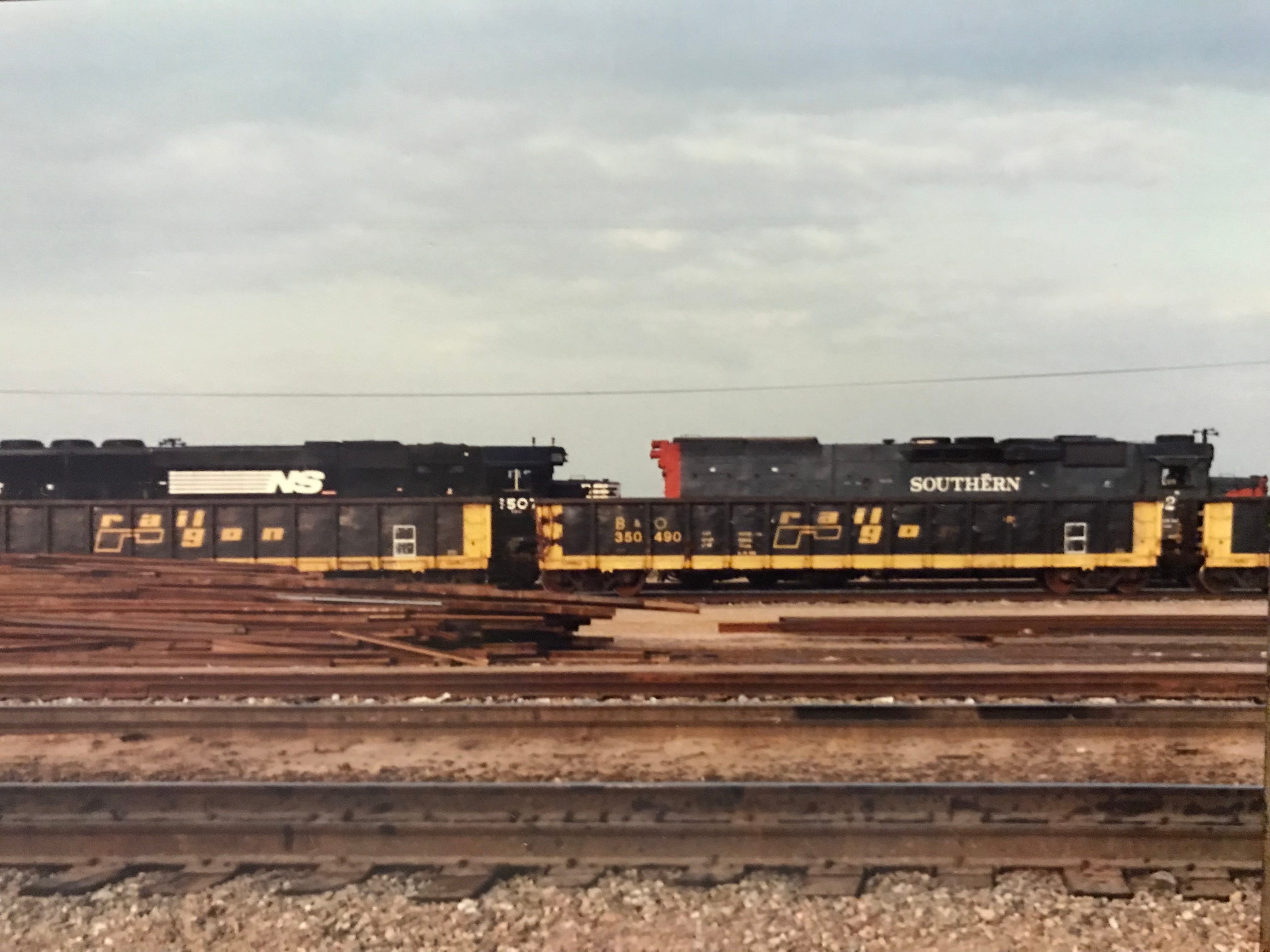
Coils of steel often travel in either open top or covered gondolas (or flatcars), the weather being the main factor in determining if a protective shell (or something comparable like plastic sheeting to cover the individual steel coils) is or isn’t in order.
An interesting fact: The majority of unit trains get loaded one direction only, such as in outbound but not inbound train movements.
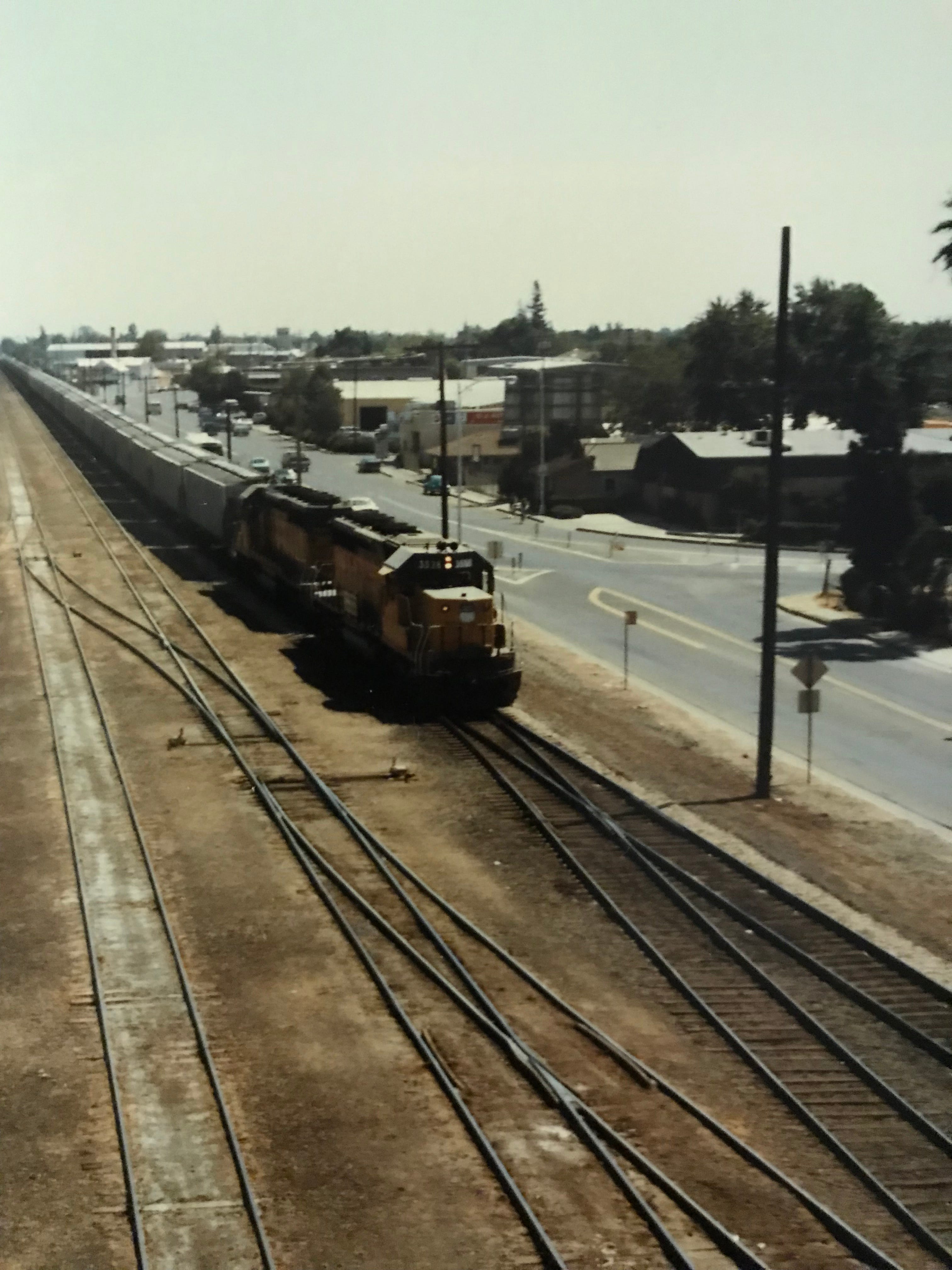
Then there’s grain. This gets shipped out in covered hopper cars.
Next in line: There is (or was) a concept known as Roadrailer started by the Chesapeake & Ohio Railway Co. way back in 1955.
What makes (or made) the Roadrailer concept special was an applied special bogie that enabled truck trailers hauled to either ride on roadways or on steel railroad rails. An adapter, in this case known as the CouplerMate, was a special-purpose bogie that effectively allowed strings of Roadrailer trailers to be coupled to standard train cars and were used in the event that there were not enough Roadrailers available to justify running solid trains of these.
These trailers were used to haul automobile parts, mail, and also freight that was time-sensitive.
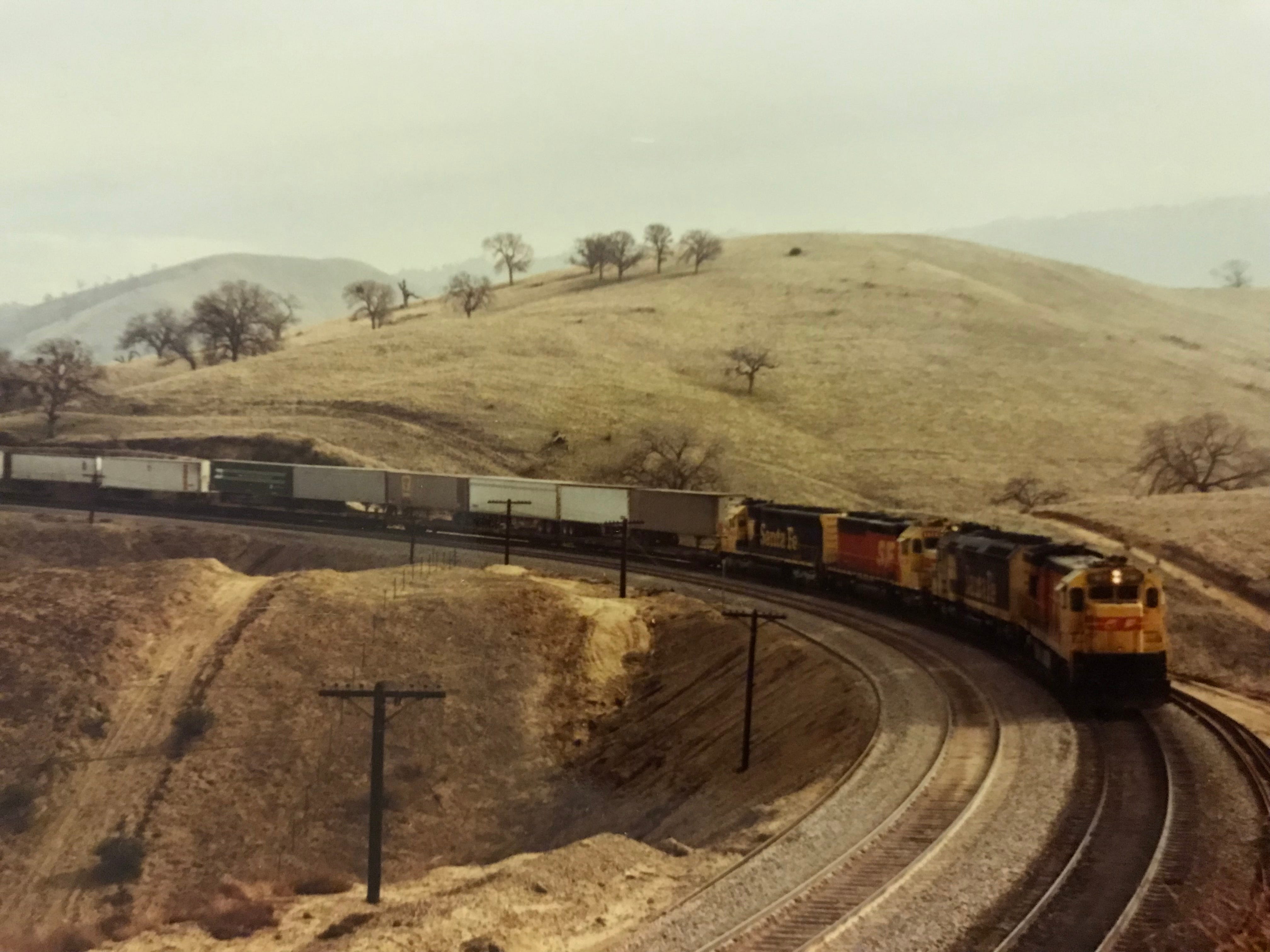
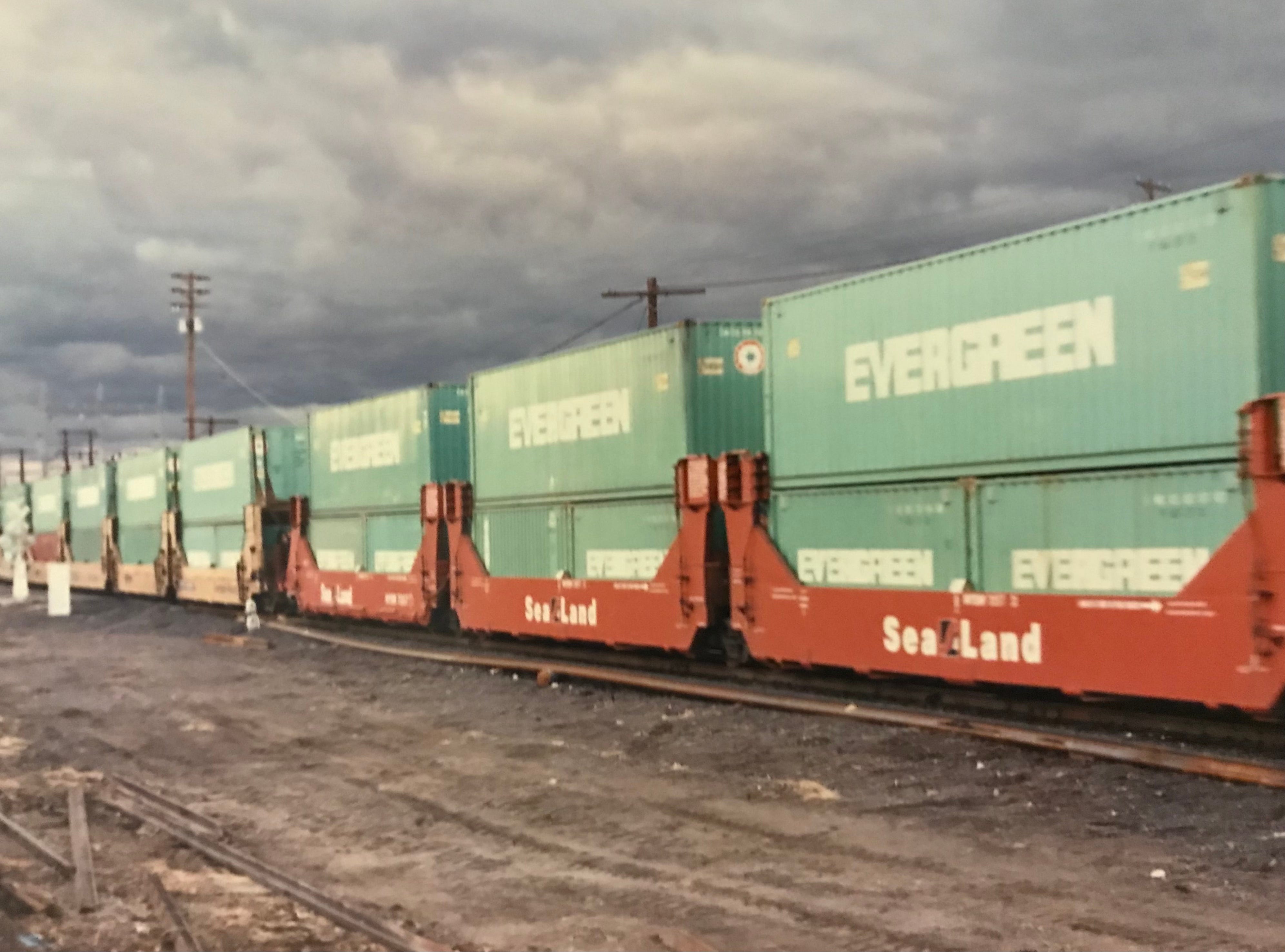
Of course, trains consisting exclusively of truck trailers or containers, as far as unit trains go, pretty much rule the rails.
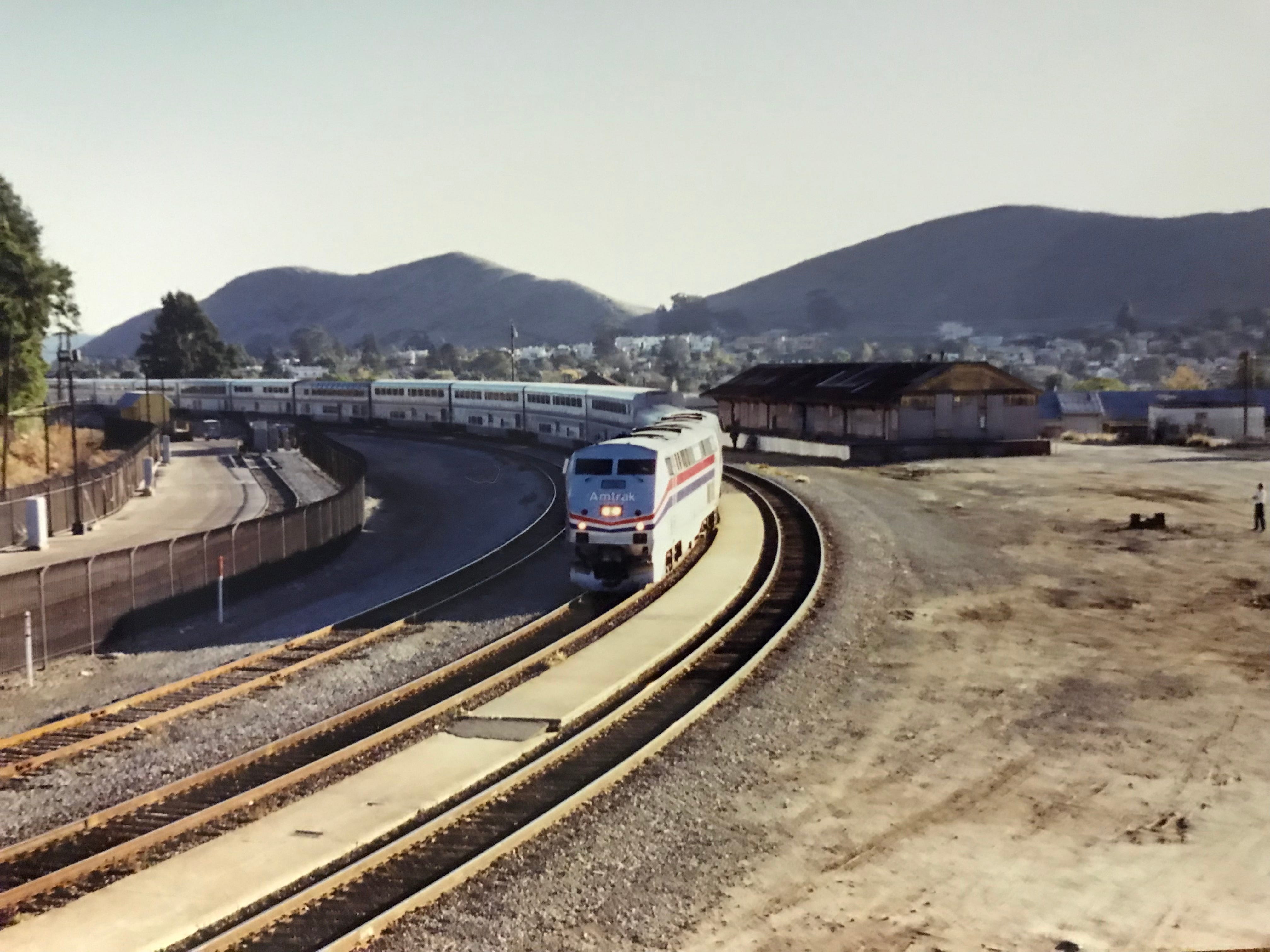
Last but by no means least, and not normally considered a unit train in the customary sense but actually fitting that bill, is the passenger train. In this context, a passenger train can be thought of as a specialized type of unit train.
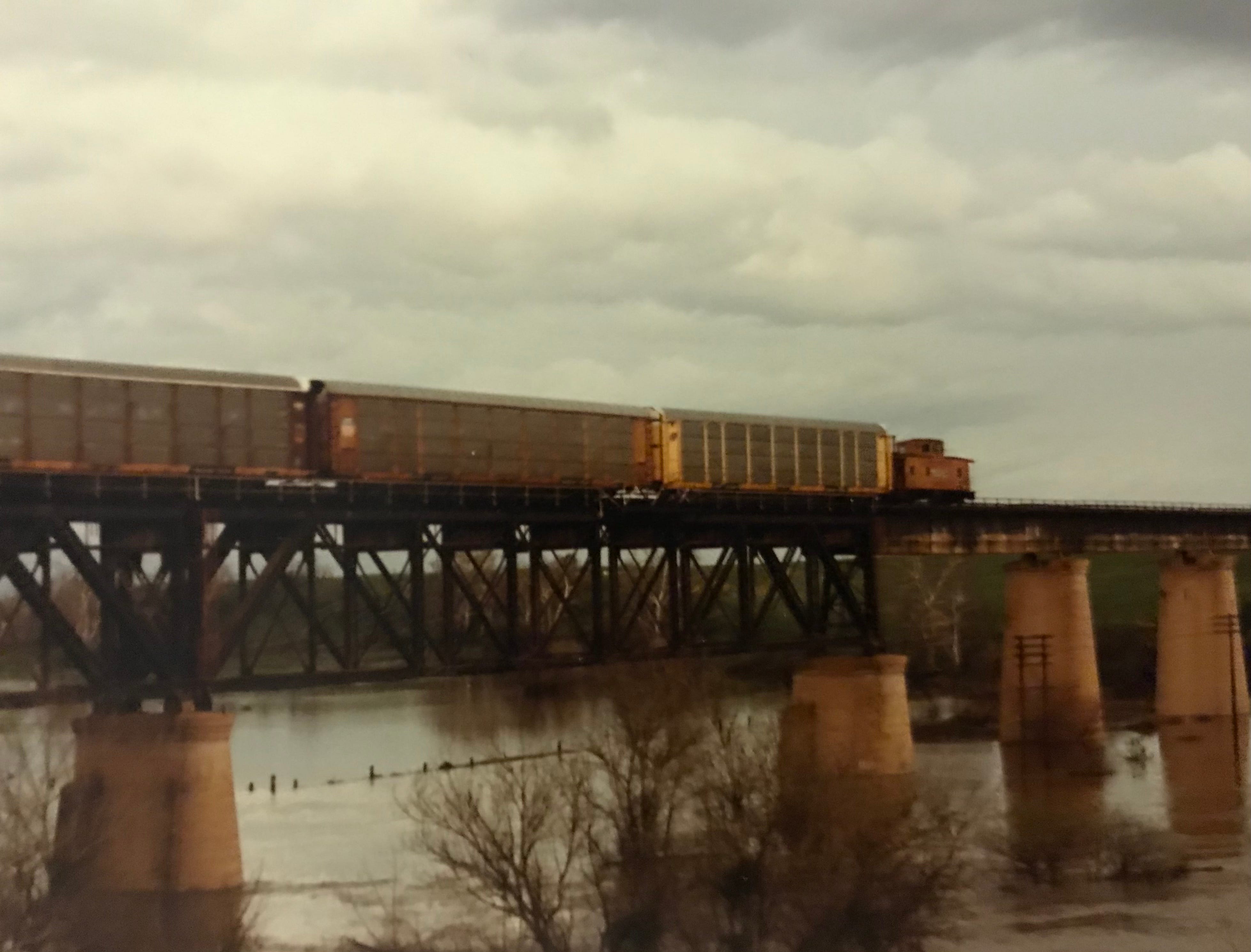
Image data: All photos Alan Kandel unless otherwise noted
All material copyrighted 2024, Alan Kandel. All Rights Reserved.