
Non-contiguous Yet Interconnected: The California Northern And Northwestern Pacific Railroads
What Were Yesterday’s Regional Railroads Are Both Shortlines Today

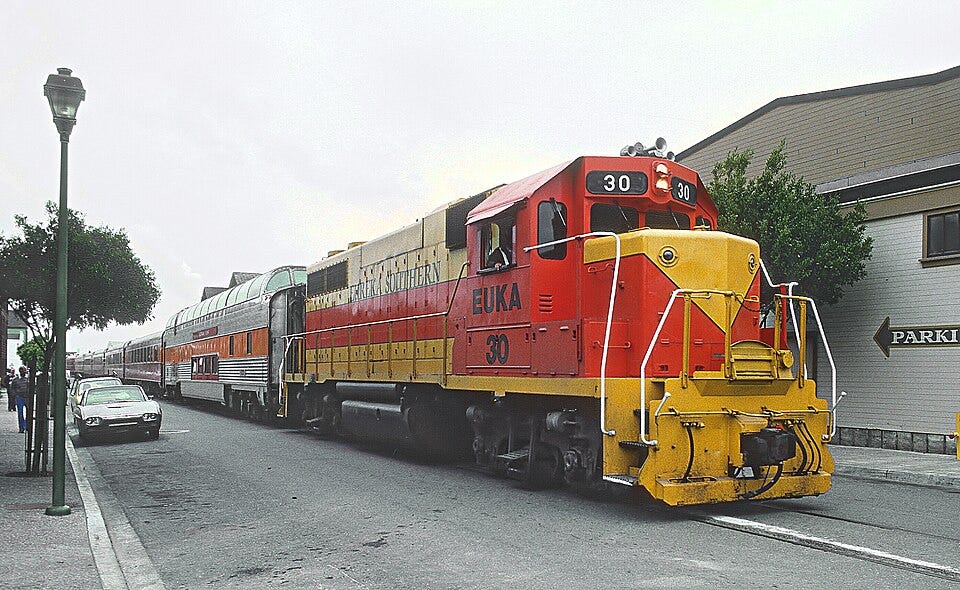
The California Northern Railroad, using the CFNR reporting mark, and operating on 256 miles of line, is comprised of three distinct sections of railroad track. Railroad interchanges exist at Brazos Junction (SMART), Davis (UP), Suisun/Fairfield (UP), Tehama (UP) and Tracy (UP). Line segments are Tehama-Davis, Tracy-Los Banos and Brazos Junction-Suisun/Fairfield, Streblo-Vallejo, and a connection between those two exists at Napa Junction. Through a trackage-rights agreement, CFNR uses Union Pacific track between Davis and Suisun/Fairfield. Current CFNR owner is Genesee & Wyoming Railroads (G&W) which acquired CFNR in 2012. CFNR headquarters is in Woodland, California.
Add to that these three distinct line segments: The 111-mile-long Davis-Tehama branch; the 56-mile-long Tracy-Los Banos line; and two intersecting stubs joined together at Napa Junction. One of those, an east-west Brazos Junction-Suisun/Fairfield link, ties the relatively new SMART (Sonoma-Marin Area Rail Transit) with the Union Pacific (the line formerly owned by the Southern Pacific) at Suisun/Fairfield. The other bridges together Streblo on the north end and Vallejo at the line’s southern terminus. CFNR locomotives now wear the orange, black and yellow livery of parent G&W Railroads.
Meanwhile, approximately 50 miles out of a total of 156 miles of railroad track once belonging to the Northwestern Pacific Railroad (NWPRR) — the Larkspur to North Santa Rosa to Schellville segment — located on northern California’s coast, is today owned by Sonoma-Marin Area Rail Transit or SMART.
The discussion below tells of both the CFNR’s and NWPRR’s histories.
The California Northern Story
The California Northern Railroad of yesteryear ran on as much as 412 miles of track. That, in my book, qualified it as a Class II or regional railroad.
As an aside, according to Association of American Railroads (AAR) data, pike operations taking place on a minimum of 350 miles meets the AAR’s definition of what a Class II is, as does having annual revenues reaching a minimum of $39.2 million up to a maximum of $560 million, beyond which a railroad is categorized as a Class I.
Getting back on point, the California Northern Railroad began operations on the 27th day of September in 1993 over three former Southern Pacific rail lines located in northern California. At launch, the railroad was headed by David L. Parkinson serving as Chairman and CEO, William A. Frederick in the role of President and William J. Herndon as Executive V.P. and Chief Operating Officer. Its base of operations at the time was in St. Helena, in the heart of California’s beautiful wine country.
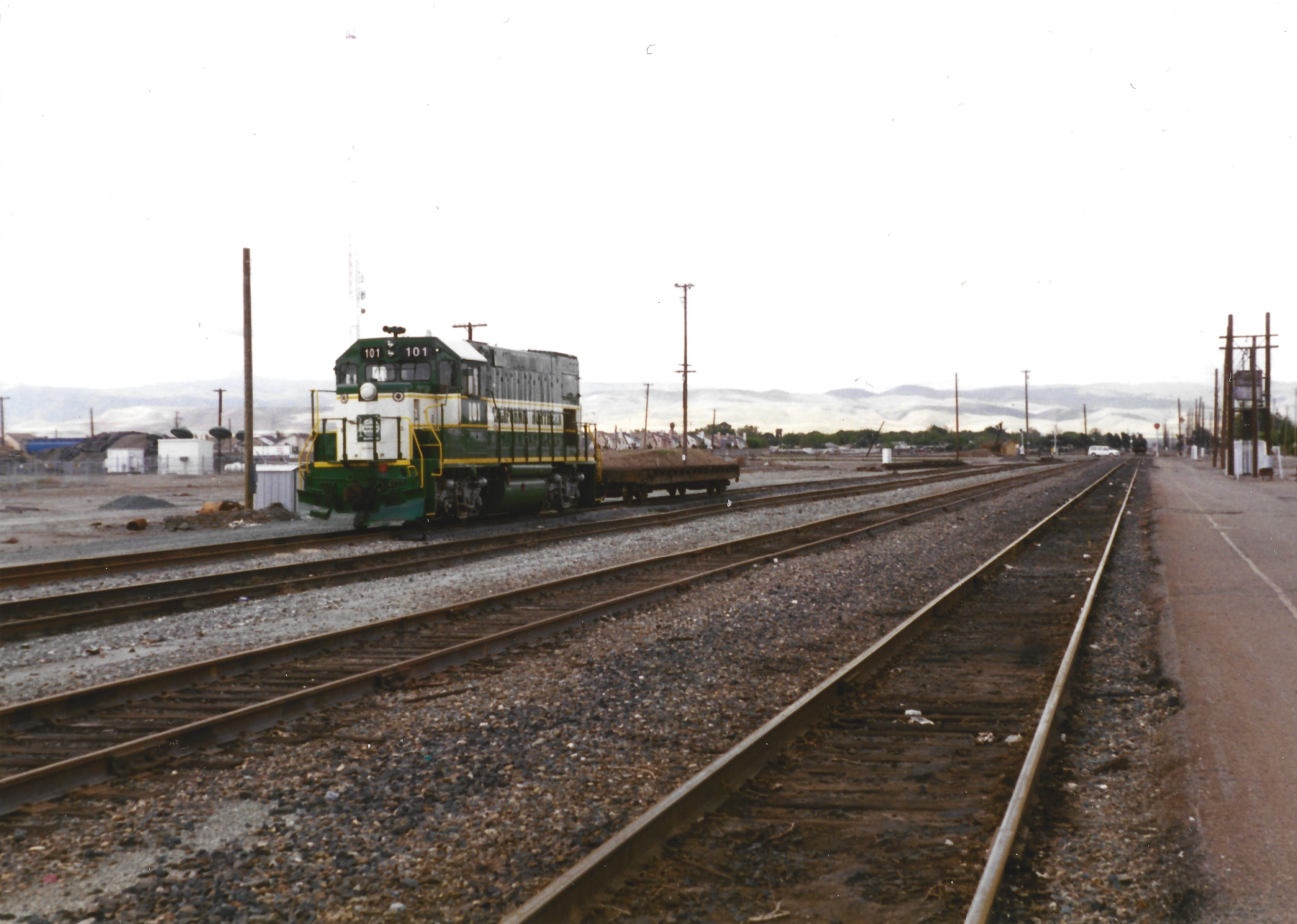
In its quest to remain a salient enterprise, Southern Pacific Transportation Company (SPTCo.), at the behest of corporate executives, commenced selling off portions of the railroad to viable operators who could turn the losses SPTCo. was sustaining into profitable ventures. This included the disposition of track throughout its then 15-state service territory. At the time, the longest CFNR-run branch was the 156-mile-long Schellville-to-Willits route (a former Northwestern Pacific-owned line; the NWP an SPTCo. subsidiary). Unlike the Southern Pacific, which was notorious for providing infrequent and unreliable service, the California Northern as an interim operator, ran the line both dependably and efficiently.
Hauled was everything from inbound plate steel to outbound steel pipe, and such foodstuffs as tomato paste and rice. Companies served ranged from Anheuser-Busch and Comet Rice to General Mills and Napa Pipe Corporation; each contributing its share of traffic that added to the railroad’s bottom line. At an earlier time, California Northern was even a partner with Burlington Northern & Santa Fe and Union Pacific in hauling trash in unit trains from Napa Junction to a landfill in eastern Washington state.
That the railroad took pride in its operation, it showed. And, as Herndon once extolled, the California Northern Railroad, “not only keeps customers loyal, but has helped recover some of the traffic that Southern Pacific lost years ago.”*
The California Northern Railroad, incidentally, celebrates its 32nd birthday on September 27, 2025.
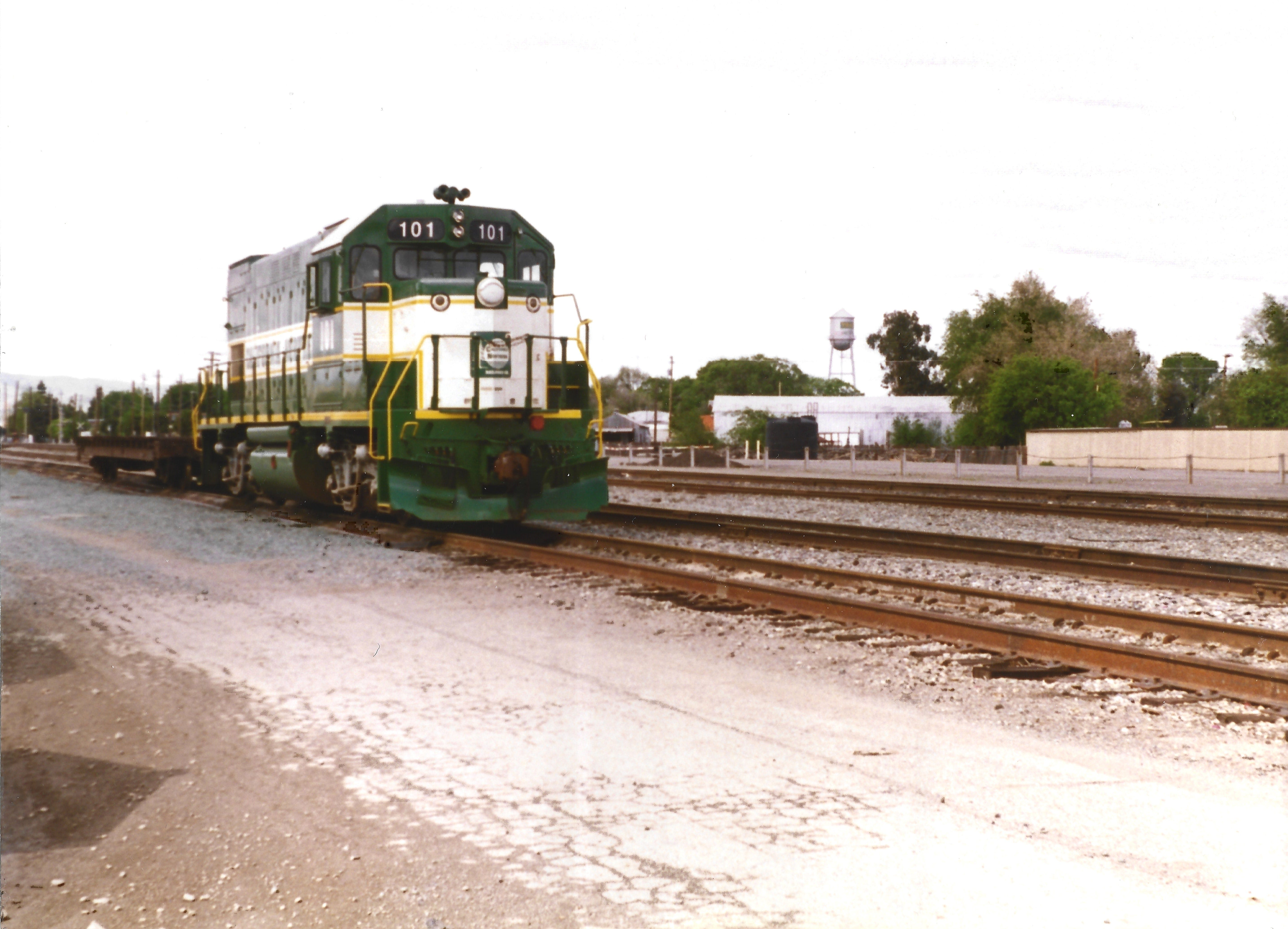
Northwestern Pacific — Many Twists And Turns
What’s below, is an excerpt from the Jul. 14, 2011 California Progress Report commentary: “Northwestern Pacific - ‘Paper Railroad’ No More.”
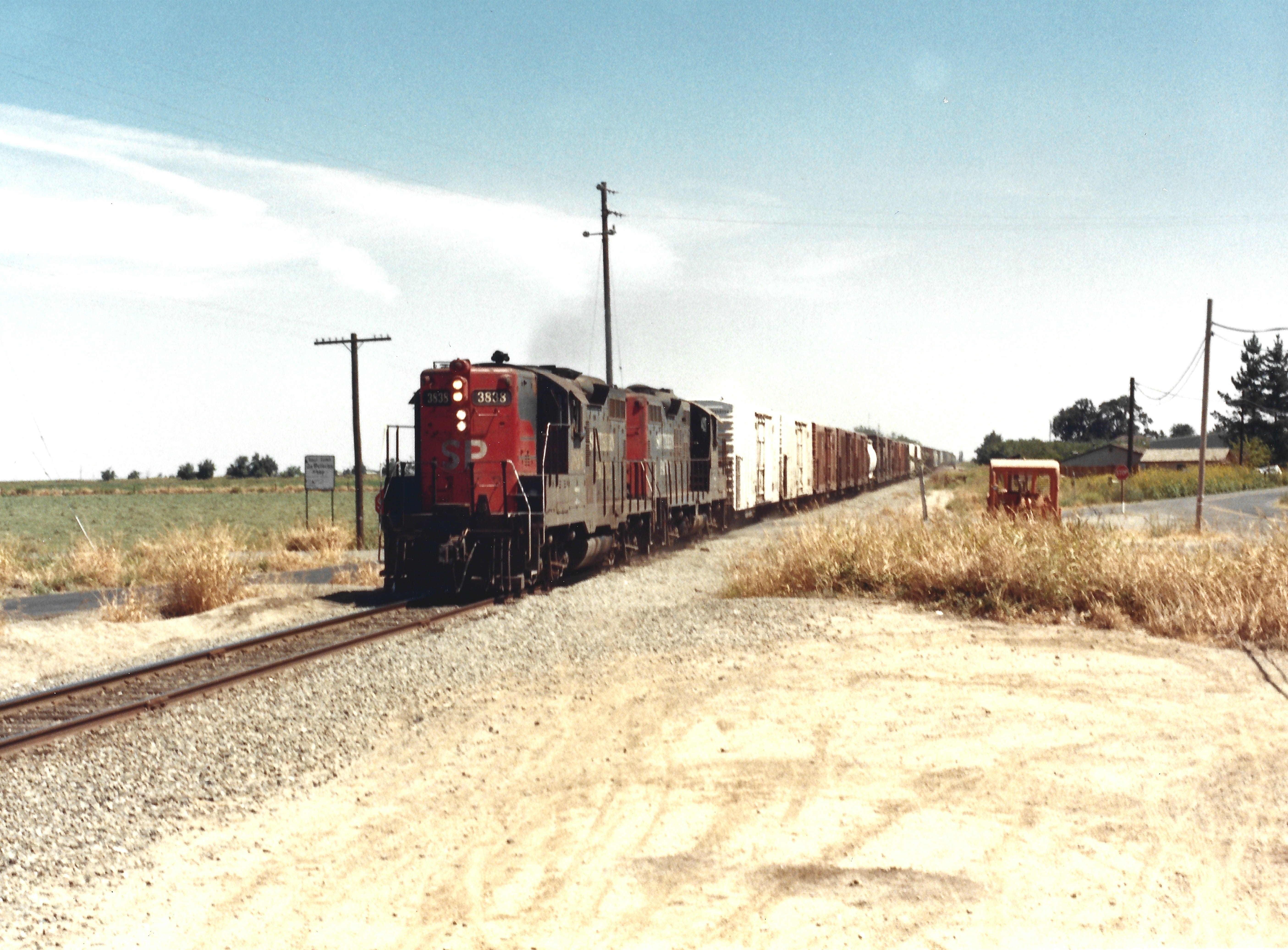
The story of the Northwestern Pacific Railroad Company…has been bittersweet. The NWP, a scrappy little freight hauler, first arrived on scene in 1907, was 316 miles in length and formed via the combination of seven smaller railroads. In 1929, it was acquired by Southern Pacific and Santa Fe jointly, and operated as a subsidiary until 1977, enjoying a 70-year run.
In 1980, 198 miles, from Outlet to Eureka, was sold to operator Eureka Southern. Eureka Southern was relatively short-lived, lasting only 10 years. In 1989, the North Coast Railroad Authority entered the picture as a result of the implementation of the North Coast Railroad Authority Act. On Feb. 1, 2003, according to the NCRA’s Web site: ‘The fact that the NCRA and its railroad, the Northwestern Pacific, have survived to date under the contradiction of a mandate without funding is not only a miracle but testimony to the tremendous dedication and sacrifices of the people involved with the railroad since its inception.’ The line from just north of Willits to Eureka was purchased by the State three years later. ‘In 1995, a separate transaction added the railroad line from Healdsburg north to the NCRA’s holdings and provided for a joint powers authority, the Northwestern Pacific Railroad Authority (NWPRA) to own the right of way from Healdsburg south to Schellville in Sonoma County, where the railroad connects to the Union Pacific mainline at Fairfield-Suisun in Solano County’.
* Trains, “Renaissance in California,” May 1995, p. 76
Related: “California Regional Freight Railroad Moves From Private To State Control. Will SMART Sustain, Maintain Service?” an Oct. 8, 2024 All About Trains post. Representative URL: https://allabouttrains.substack.com/p/california-regional-freight-railroad
Updated: Sept. 3, 2025 at 5:12 p.m. PDT.
All material copyrighted 2025, Alan Kandel. All Rights Reserved.