
Class Lights
Explainer

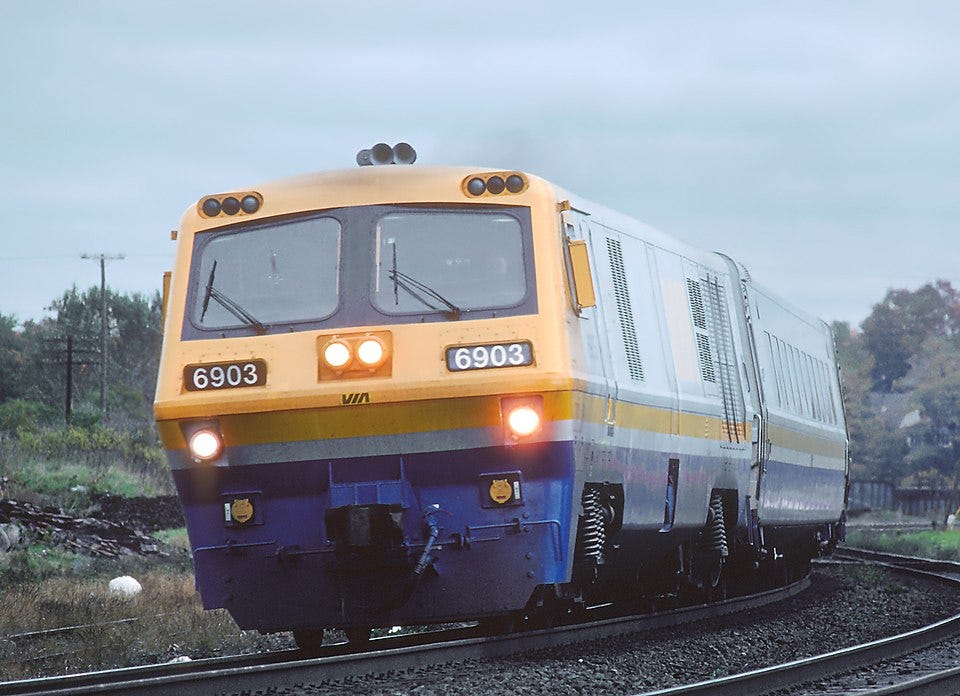
By now you’ve probably noticed that I publish here several article types. That makes them “classified,” not unlike the way classified advertising in a newspaper appears. These article types I’m referring to are classified (categorized) accordingly as: “Running Extra” and “Second Section.” The extra and second-section classifications are reflective of North American train types, actually.
I’ll explain.
The “extra” reference refers to an “unscheduled” or “extra” train. The other, of course, being “second section,” meaning the second part of an initial run, which may have contained too many freight cars to place in one train consist.
Now, an example of each.
An example of an extra train would be like a Super Bowl Special — a special passenger train run, done on a railroad that otherwise is a “freight-only” operation.
Back in the day before the advent of Centralized Traffic Control (CTC), an “extra” train would have been indicated as such with its lead locomotive displaying white class lights and/or white flags.
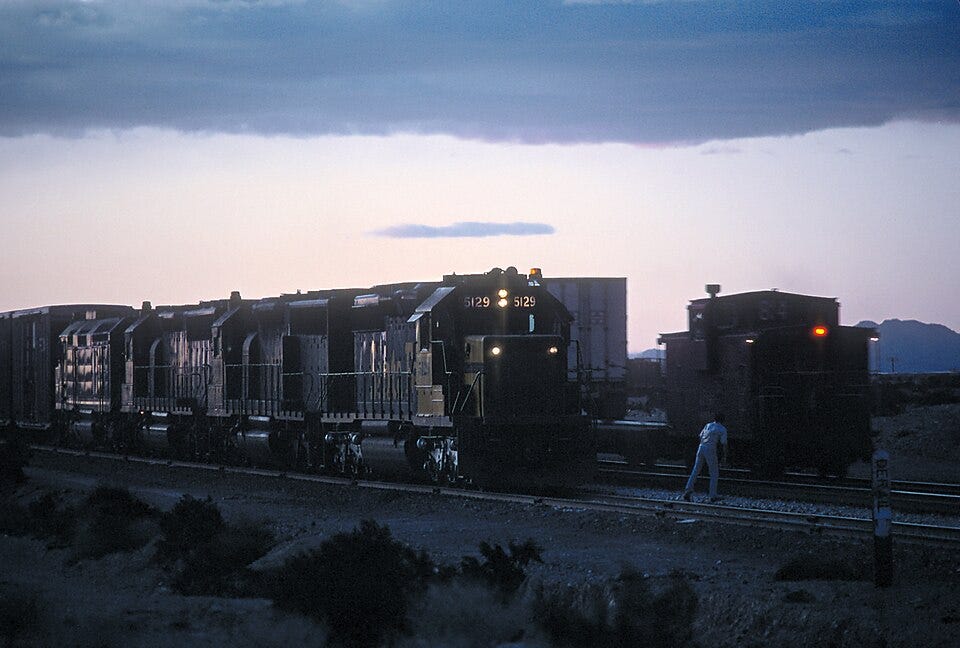
Now, as to a “section section” train, this one’s a bit tricky. It actually refers to the second of two trains that have the same symbol. The lead locomotive of the first section, would have its class lights lit green. In essence, the green lit lights were not an indication of its own status, but, rather, that of the status of the train following on its heels. This was a visual indication that told interested railroaders who observed these green-colored classification lights that what they were seeing was the first train of a move that actually had a second section of following train behind it.
This information could be very useful to, say, maintenance-of-way workers prepared to do maintenance work on tracks, for example, out on the mainline. The sight of an approaching train displaying green class lights would tell the maintenance-of-way crew that there was a second section of the same train that would be following behind the first section of the same train — the one displaying the green classification lights. The lights provided for an extra level or degree of safety.
There may be railroads that still rely on lit classification lights.
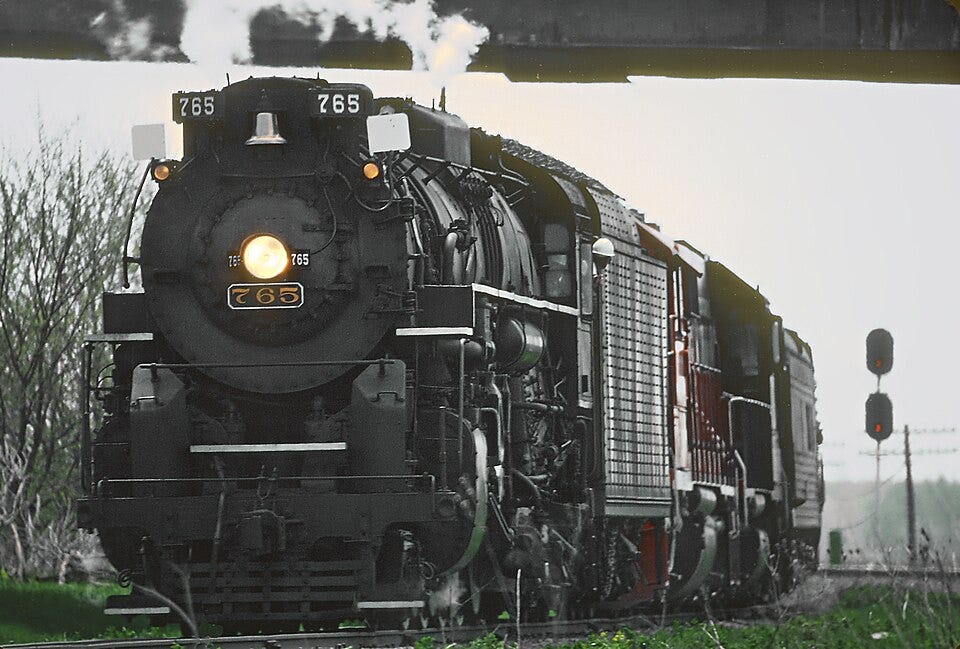
One may be able to see these lights on older locomotives and, in particular, on those that have been retired that have since been preserved and placed in a museum, for example.
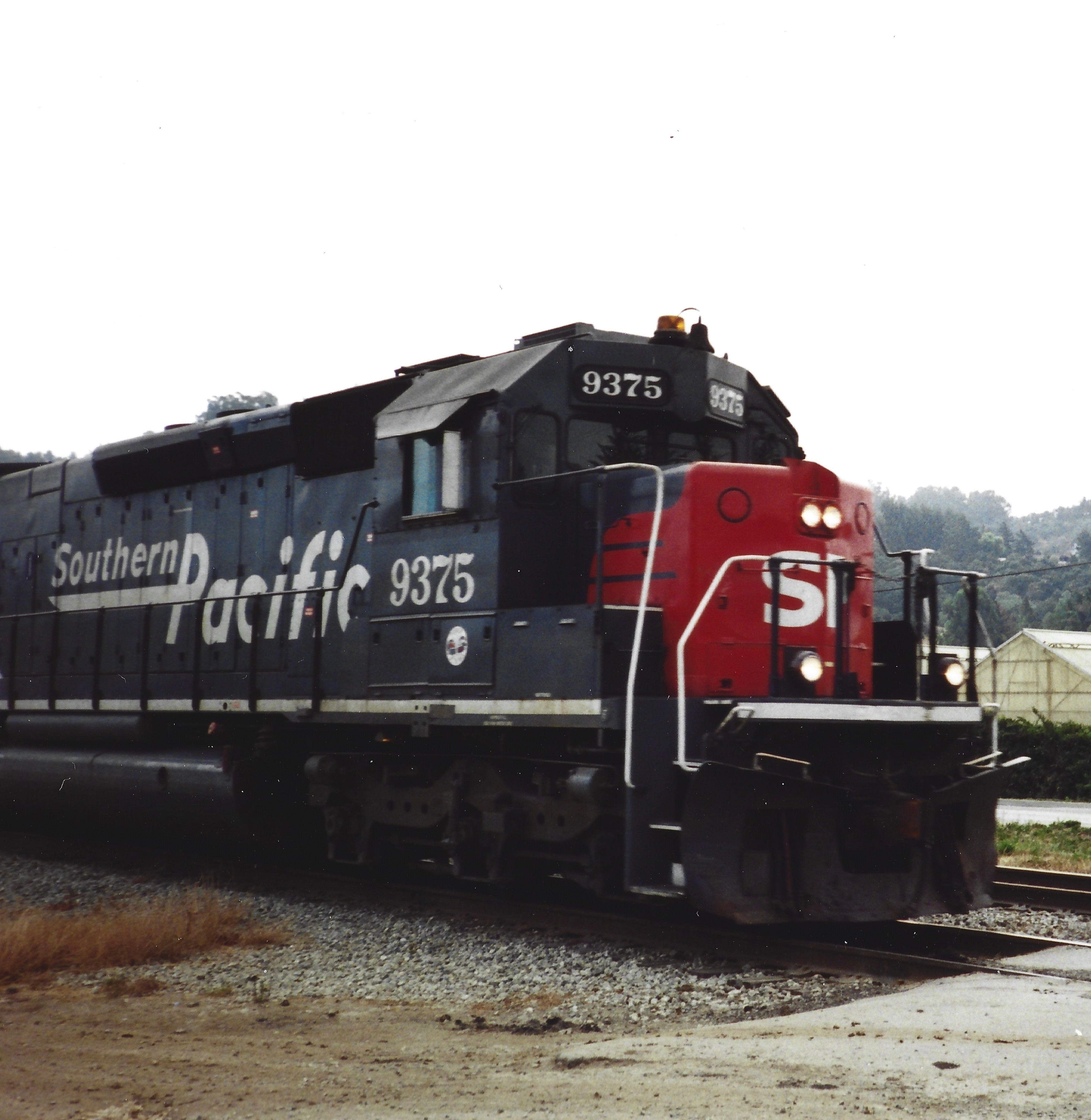
On some railroads, locomotive class lights may have been blanked over, meaning that the areas where these lights are intended to go on locomotive fronts, were supplanted by/covered with steel covers, as evidenced in the immediate photo below.
Class lights in certain cases could also display red, indicating, for instance, the end or back of a train. To a following train, this would indicate to, say, the head-end crew that the train ahead is moving away from — rather than toward — them on the same track. Used in this manner, these lights would then be substituting as marker lights rather than as class lights as exemplified in the below photo.
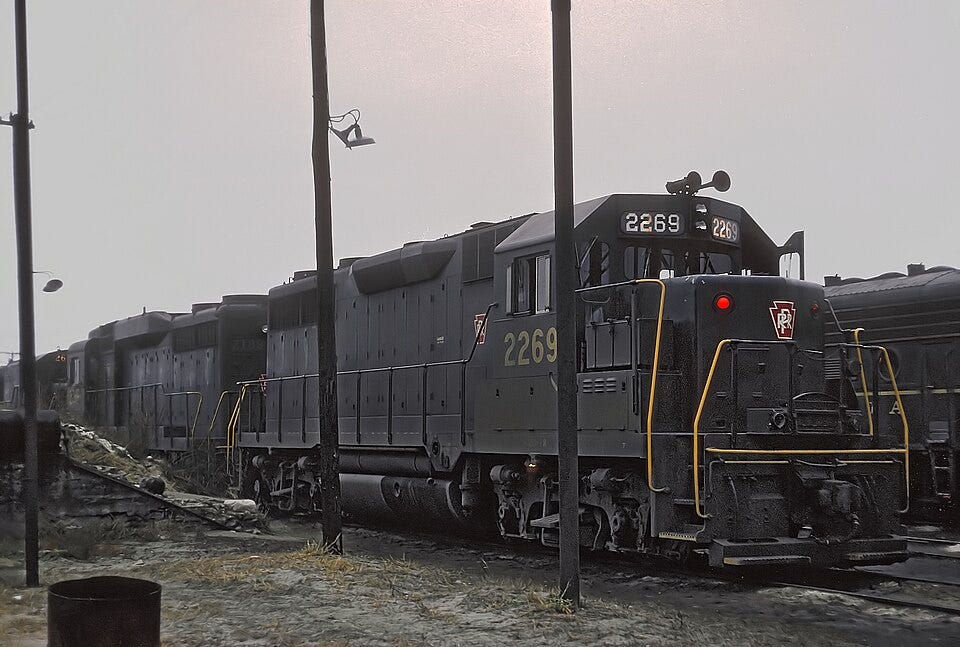
Photo credits: Roger Puta via Wikimedia Commons (all), unless otherwise noted
In an earlier version my explanation of the “section-section” train was incorrect. Text has been modified and the information is now correct.
Updated: Dec. 20, 2025 at 3:20 p.m. PST.
All material copyrighted 2025, Alan Kandel. All Rights Reserved.